
Prevent groundwater pollution from solvents
I was just looking through the updated guidelines named Prevent Groundwater Pollution (Sept 2026). It is a code of practice targeted to prevent pollution from solvent use and storage. By adhering the code of practice, we will comply with the legal requirements under the Environmental Permitting Regulations. The sites activities are regulated by the Environment […]
Action for Swifts!
Sustainable Solutions support Action for Swifts! We are always looking for organisations to support, and we have found plenty. From Derbyshire Wildlife Trust to Butterfly Conservation and Bumblebee Conservation Trust. Now our community has expanded to include an organisation that was founded to help a winged summer visitor, the Swift. Swifts are the ultimate flyers! […]
Pleasley Pit Reserve: Where Nature, Community & Conservation Come Together
Wonderful volunteers have been working hard to clear areas of brash, replant and nurture wild flora at Pleasley Pit reserve. It’s only a stone throw away from Chesterfield.Teams of volunteers are constantly working hard to make way for a better, more ecological site for nature and communities. There are 14 different walks, each tailored to […]
ISEP courses for green skills
Green skills for business. What does this mean? There has always been a clear need for green skills across nature recovery, biodiversity, waste reduction and pollution prevention. A new shift now focusses on decarbonisation and climate change. This motivation is important, particularly as organisations work towards net zero targets, reduce emissions and adapt to climate-related […]
Ticks: A Growing Concern for Anyone Who Works or Walks Outdoors
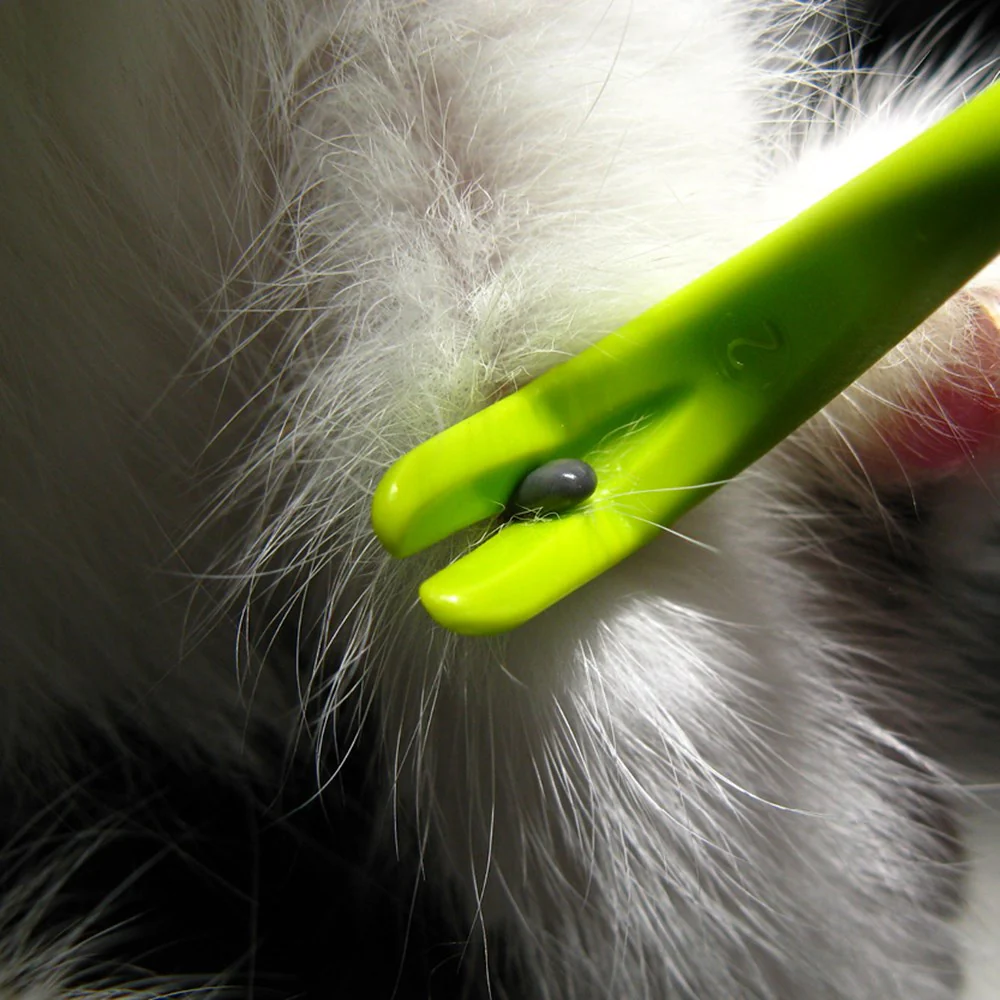
Ticks progress through four life stages: egg, six‑legged larva, eight‑legged nymph, and adult. They can live for up to three years and will feed on multiple hosts during their lifetime.
Associated with the chemical business
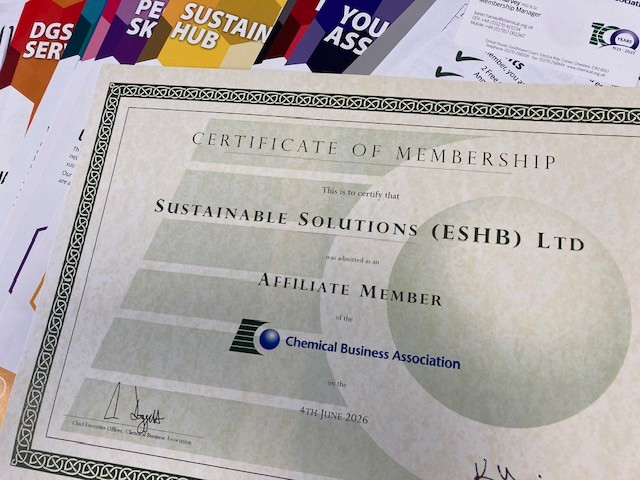
We are excited and proud to announce Sustainable Solutions (ESHB) are now new members of the Chemical Business Association!
The hidden value of all ecosystems, by M Rose
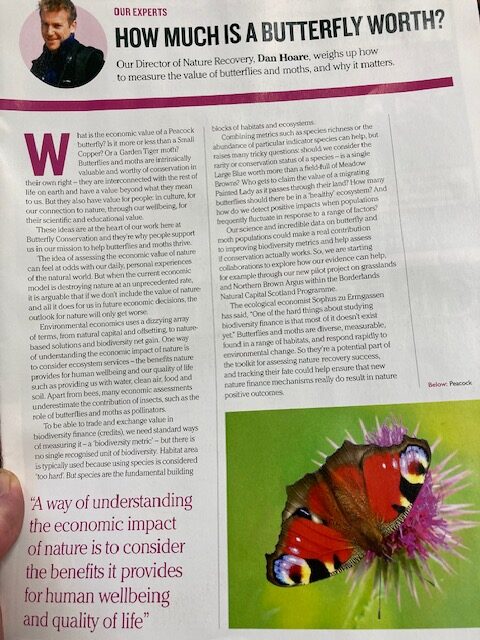
The pollinating service provided by bees, butterflies (other insects) are natural processes that keep conditions stable, more commonly known as Regulating Services. It’s simple, they transfer pollen from one flower to another which in turn gives us fruiting bodies.
Focus on plastic waste
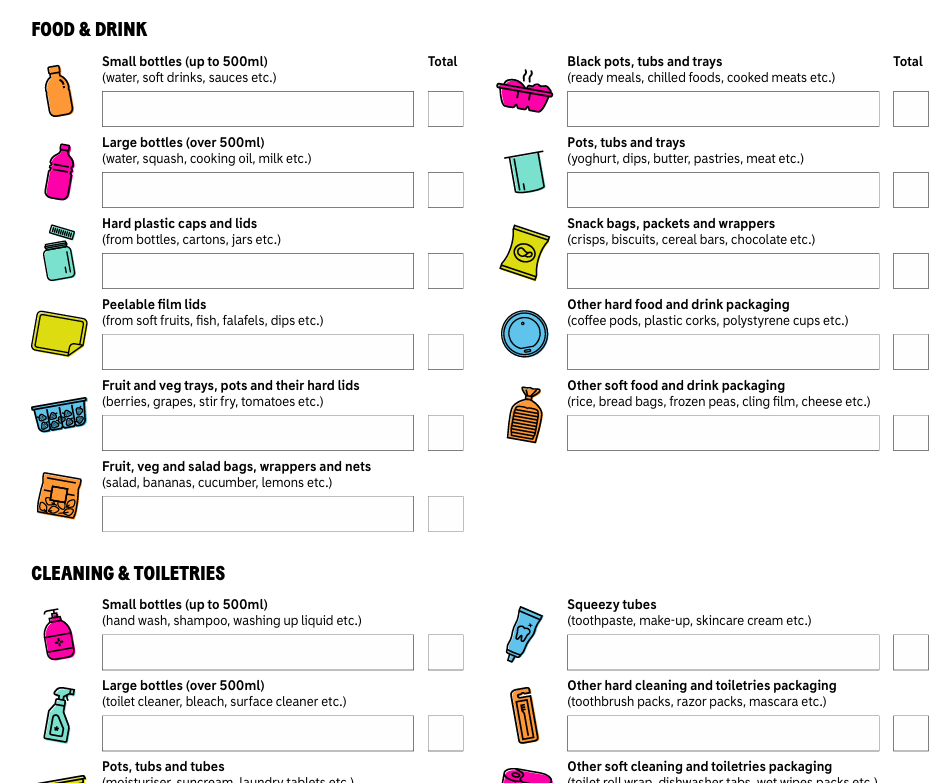
The last plastic count (2024) revealed 1.7 billion pieces of plastic packaging was still being thrown away by households weekly!
Supporting local community sustainability
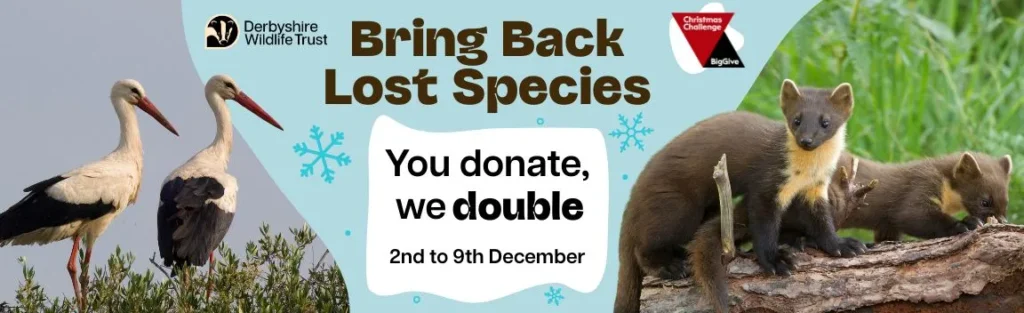
we are pleased to reveal we made a significant supporting contribution to the Derbyshire Wildlife Trust. Their ‘Big give’ initiative aimed at reintroduction of lost species (to the local area) of Pine Martens, Eurasian Elk and White Stork was something which caught our attention.
CDOIF competency
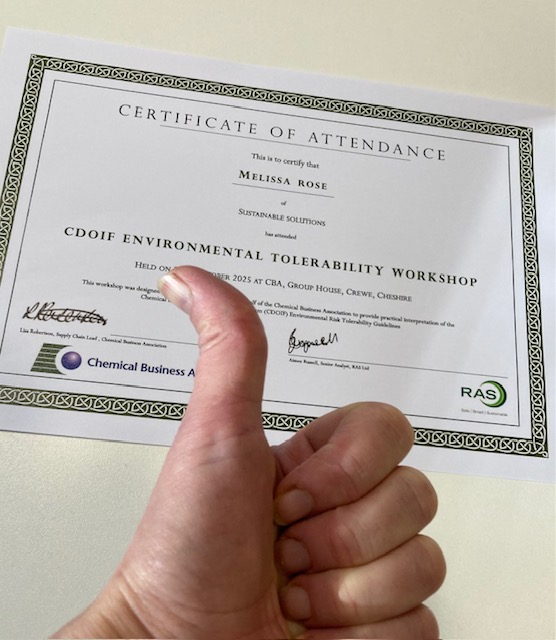
Recently I attended an Environmental Risk Tolerability CDOIF (Chemicals Downstream Oil Industry Forum) CPD refresher. A few more useful points to enhance my reporting and some impressive discussion in the Chemical Business Association. CBA workshop. I’m now at the planning stage of the next CDOIF project which will take me into 2026 and beyond. […]